Computational Social Scientist | NLP, Psychology, Semantic Change
Words like trauma, mental illness, and schizophrenia do not stay still. Their meanings shift as concepts circulate in scientific writing, news media, and everyday language. These shifts matter because the meanings attached to socially important terms shape how we understand, categorise, and respond to the world around us.
My research investigates how meaning changes over time, and how these changes reflect and shape broader social and cultural processes. I develop computational methods to study these dynamics using natural language processing, machine learning, and historical text corpora. During my PhD at the University of Melbourne, I co-developed SIBling and LSC-Eval, frameworks for modelling and evaluating lexical semantic change, with applications to mental health terms and concept creep. I also co-developed SenseRel, a benchmark for evaluating language models' understanding of semantic relations.
I am currently a Postdoctoral Researcher at the University of Tübingen, working in Prof. Lea Frermann’s Cognition and Communication Lab, within the Department of General and Computational Linguistics. My position is funded by the Cluster of Excellence “Machine Learning: New Perspectives for Science”. My research explores how meanings, frames, and shared representations evolve through communication, and how these processes interact with culture over time.
- Lexical Semantic Change
- Mental Health Concepts
- Concept Creep
- Computational Social Science
- NLP Evaluation
PhD, Social Psychology & Natural Language Processing
University of Melbourne (2023-26)
Graduate Diploma in Psychology (Advanced) with Honours
University of Melbourne
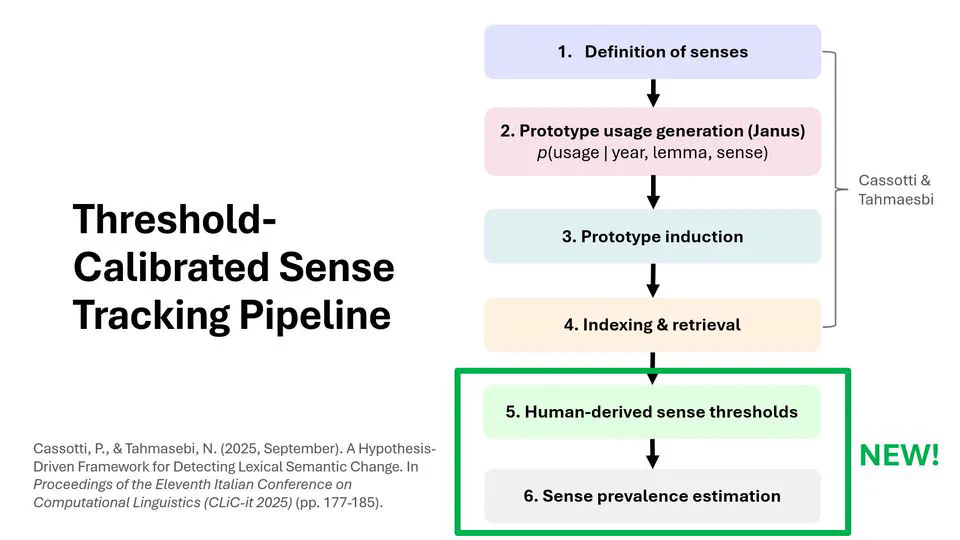
I develop computational tools for measuring how word meanings change over time. My work sits between basic science and application: I build methods for studying semantic change, then apply them to culturally important language about mental health, harm, identity, and social evaluation.
SIBling
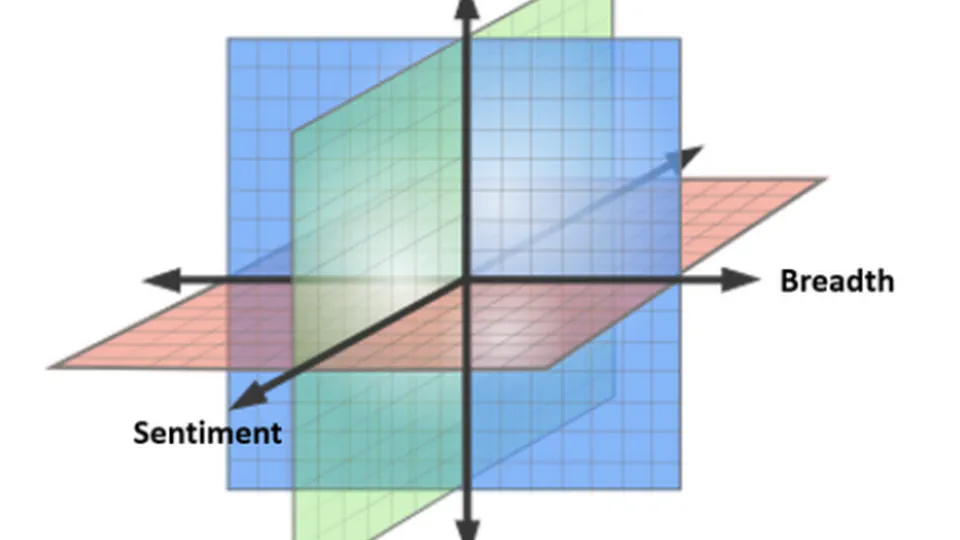
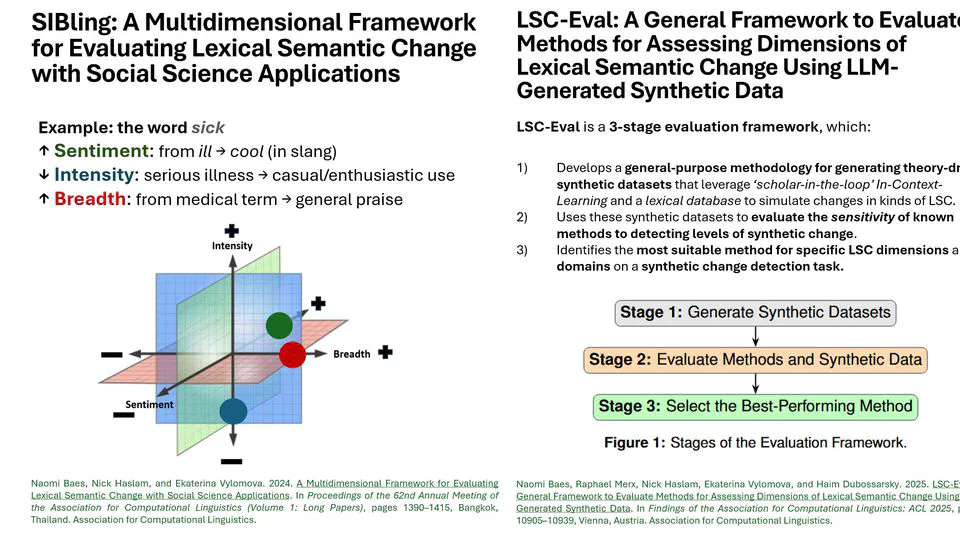
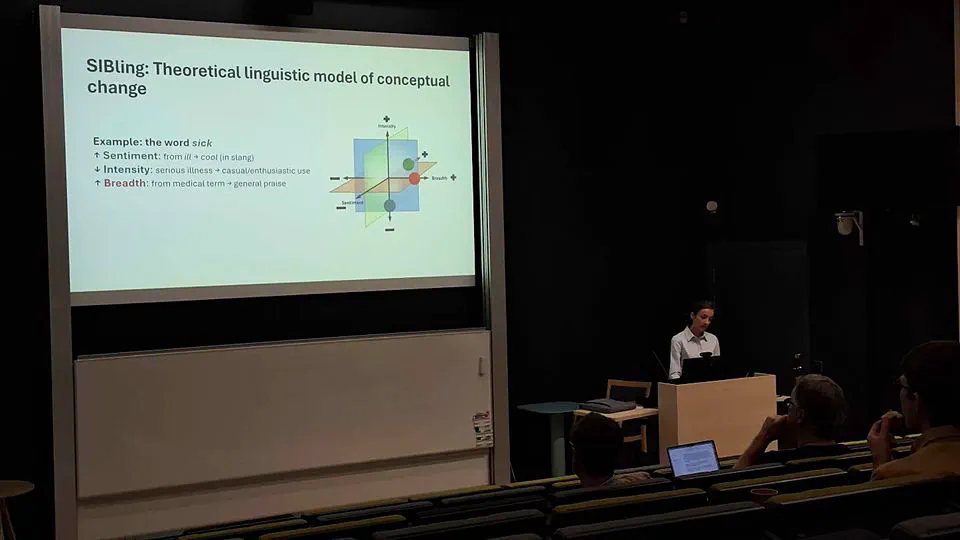
A multidimensional framework for measuring semantic change across Sentiment, Intensity, and Breadth.
Useful for studying broadening, emotional intensification, evaluative shift, concept creep, and changing mental health language.
LSC-Eval
An evaluation framework for testing whether semantic change methods detect specific kinds of change under controlled conditions.
Useful for method evaluation, synthetic diachronic corpora, benchmarking, and interpretable NLP.
Applications
I apply these methods to socially and psychologically important terms, using changes in word meaning as evidence relevant to broader conceptual change.
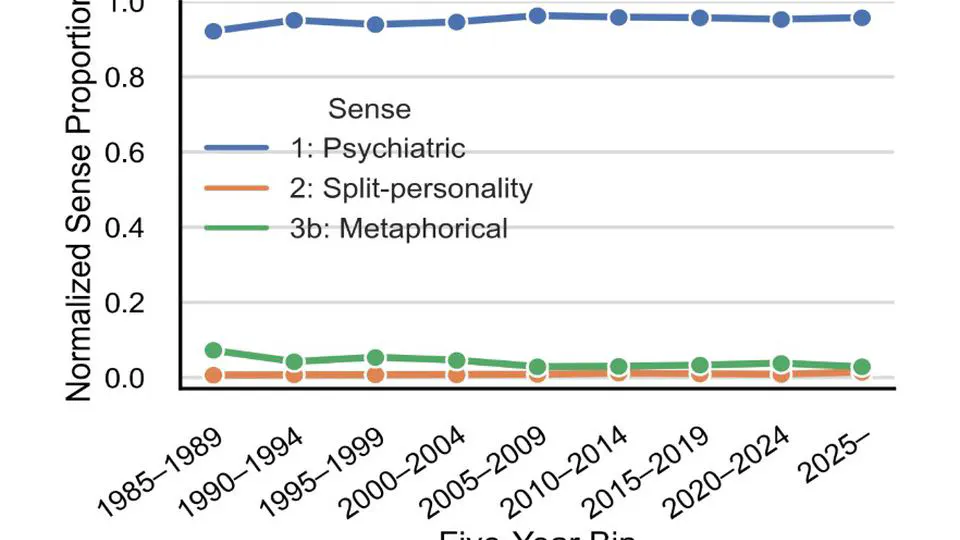
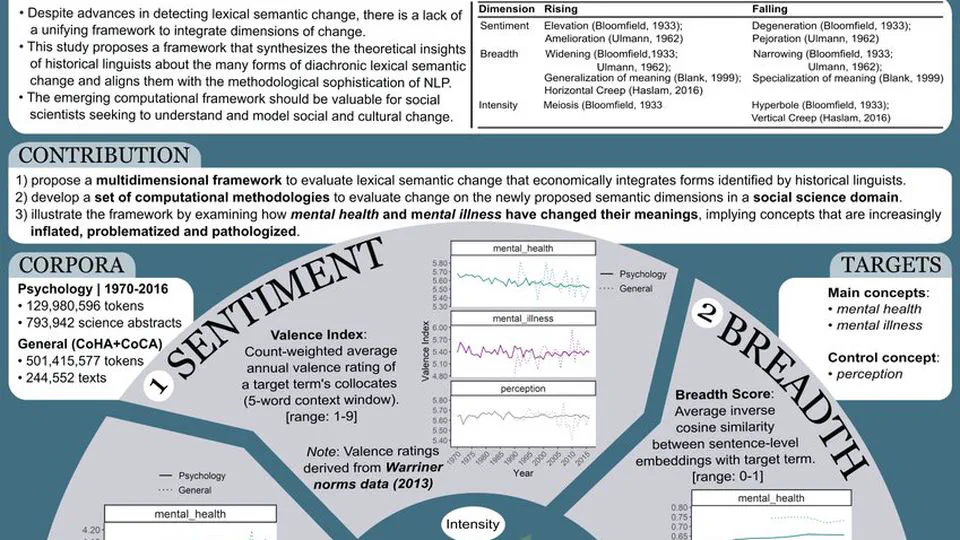
My main focus has been on the mental health domain, including mental health, mental illness, schizophrenia, and schizophrenic.
Selected work showing methodological contribution, uptake, and recognition.
SIBling — reusable framework for measuring semantic change: Lead author, ACL 2024 Main. Introduced a multidimensional framework and toolkit for measuring semantic change across Sentiment, Intensity, and Breadth. Impact: provides a way to distinguish broadening, emotional intensification, and evaluative shift rather than collapsing them into a single change score. Uptake: applied and extended in computational linguistics to track semantic change in Japanese economic news, and in social psychology to study concept creep in mental health concepts. [paper · code]
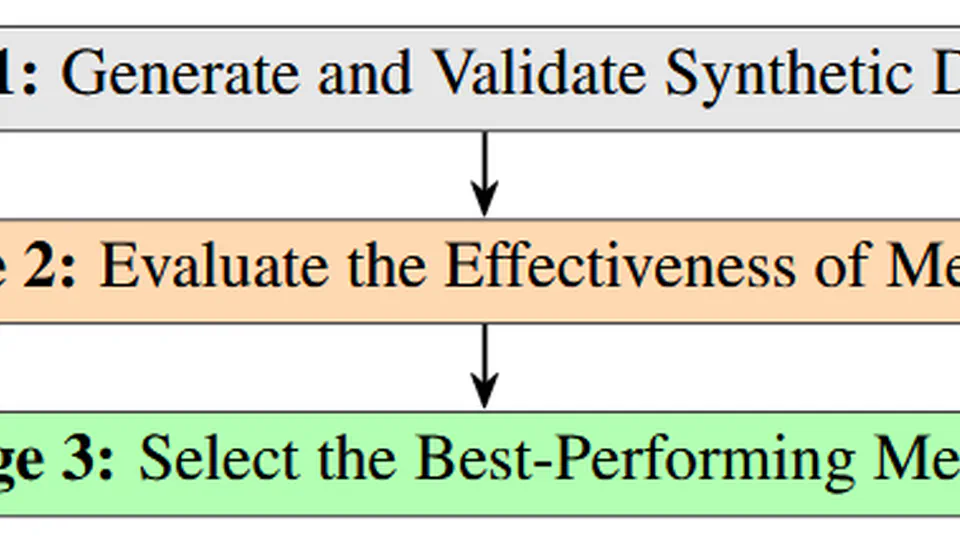
LSC-Eval — controlled evaluation for semantic change methods: Lead author, ACL Findings 2025. Developed an evaluation framework using LLM generated diachronic synthetic corpora to test whether methods detect specific dimensions of semantic change. Impact: helps researchers evaluate not only whether a method detects change, but what kind of change it is sensitive to. [paper · code]
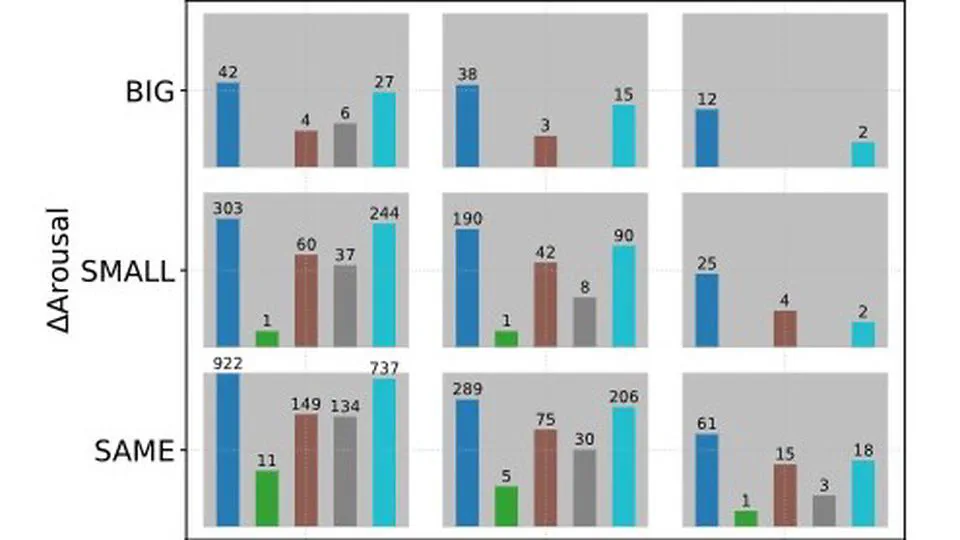
SenseRel — benchmark for sense-level semantic relations: Joint first author, ACL 2026 Main. Co-developed a gold standard benchmark for testing whether AI language models represent both referential and evaluative relations between word senses. Impact: connects denotational relations such as metaphor and metonymy with connotational dimensions such as valence and arousal. Developed during my Change is Key! research internship. [paper]
Research leadership and community contribution: Served as Program Chair for LChange’26, the 6th International Workshop on Computational Approaches to Language Change, and as an Australian English co-lead for SemEval 2026 Task 7, contributing to a multilingual and multicultural shared task spanning 33 language–culture pairs. I have also trained research assistants and supported NLP-focused Psychology Honours research.
Computational social science applications: Lead author, ICWSM 2026. Studied how women are dehumanized compared to men in incel discourse across five dimensions: negative evaluation, moral disgust, animal likeness, mind denial, and agency denial. Impact: extends my broader interest in interpretable language measurement to harmful online communication and socially contested discourse. [paper · code]
International research visibility: Presented work on computational methods for tracking meaning change in the mental health domain at Utrecht University, the University of Gothenburg, and the National Research Council Canada — spanning the Netherlands, Sweden, and Canada.
Awards and research support: Australian Government Research Training Program Scholarship; Change is Key! international research internship; ARC Concept Creep dissemination funding; University of Melbourne Hallmark Research Initiative support for Fighting Harmful Online Communication.
My work clusters around three overlapping streams:
- Methods & tools for semantic change: frameworks, benchmarks, and pipelines for measuring different kinds of meaning change.
- Mental health and conceptual change: studies of how psychological and mental health concepts change across scientific, media, and general language.
- Social meaning in contested language: computational social science projects on dehumanization, stigma, identity language, and social evaluation.